The classic sign is unmistakable: the first steps out of bed feel like walking on glass, then it eases — until evening, when it returns. Plantar fasciitis is an overload problem of the foot’s main support band, driven by sudden load changes, weak foot muscles, stiff calves or unsupportive footwear. At our Sector 58 clinic we look beyond the heel: calf flexibility, foot strength, walking mechanics and training load all feed into the diagnosis. Treatment is refreshingly practical — targeted loading exercises that remodel the fascia, manual therapy for the calf-foot complex, and footwear and load guidance so it does not recur the next time you ramp up walking or running. Injections and insoles can quiet symptoms, but only strength fixes the cause. Most cases improve significantly within weeks of proper loading. If your mornings start with heel pain, your foot is asking for strength, not softer shoes.
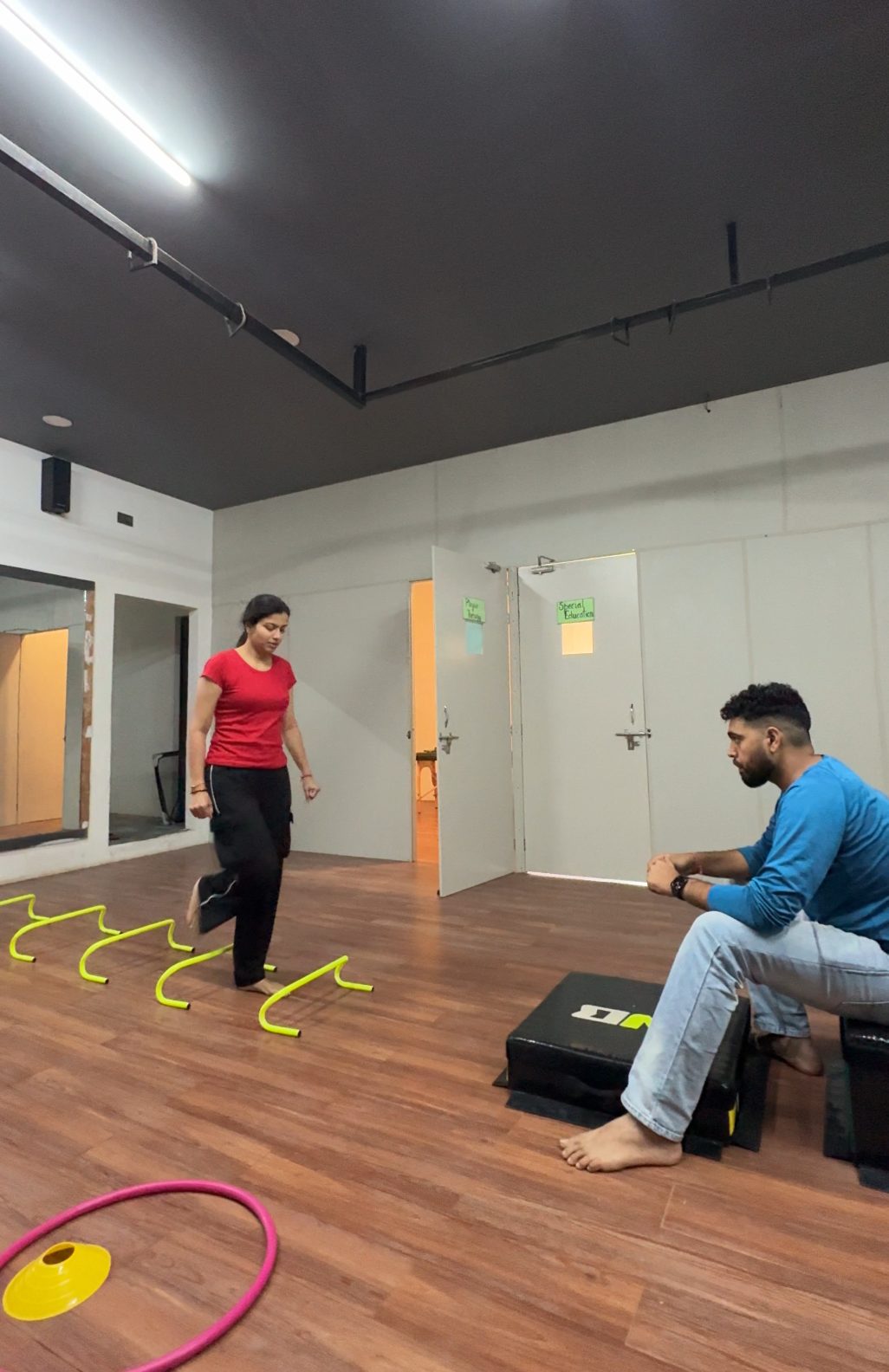
The classic sign is unmistakable — and we see it every week at our Sector 58 clinic:
Plantar fasciitis is an overload problem — the foot’s main support band lost the loading battle.
Every treatment plan at our Sector 58 clinic runs on three pillars — Alignment, Rehab and Training.
Calf flexibility, foot strength, walking mechanics and training load — the full chain behind the pain.
Targeted loading exercises that remodel the tissue, plus manual therapy for the calf-foot complex.
Footwear and load guidance plus progressive foot strengthening — so it doesn’t recur the next time you ramp up.
Related care: foot and lower-limb strength pairs well with Clinical Pilates, and runners benefit from our Sports Injury Rehabilitation assessments.
Most cases improve significantly within weeks of proper loading. Stubborn cases take 2–3 months — still far better than a year of limping.
Insoles can quiet symptoms, but only strength fixes the cause. We recommend them selectively, never as the whole plan.
Rarely completely. We manage load — adjusting distance, surface and footwear — while the fascia remodels through targeted exercise.
It can quiet pain temporarily, but injections near the fascia carry risks and don’t fix the overload. Loading-based rehab is the lasting answer.
Book an assessment at our Sector 58 or Sushant Lok clinic — open daily 7:00 AM – 9:00 PM. Your first session includes a full movement evaluation and a clear treatment plan. Rated 5.0 across 190+ Google reviews.